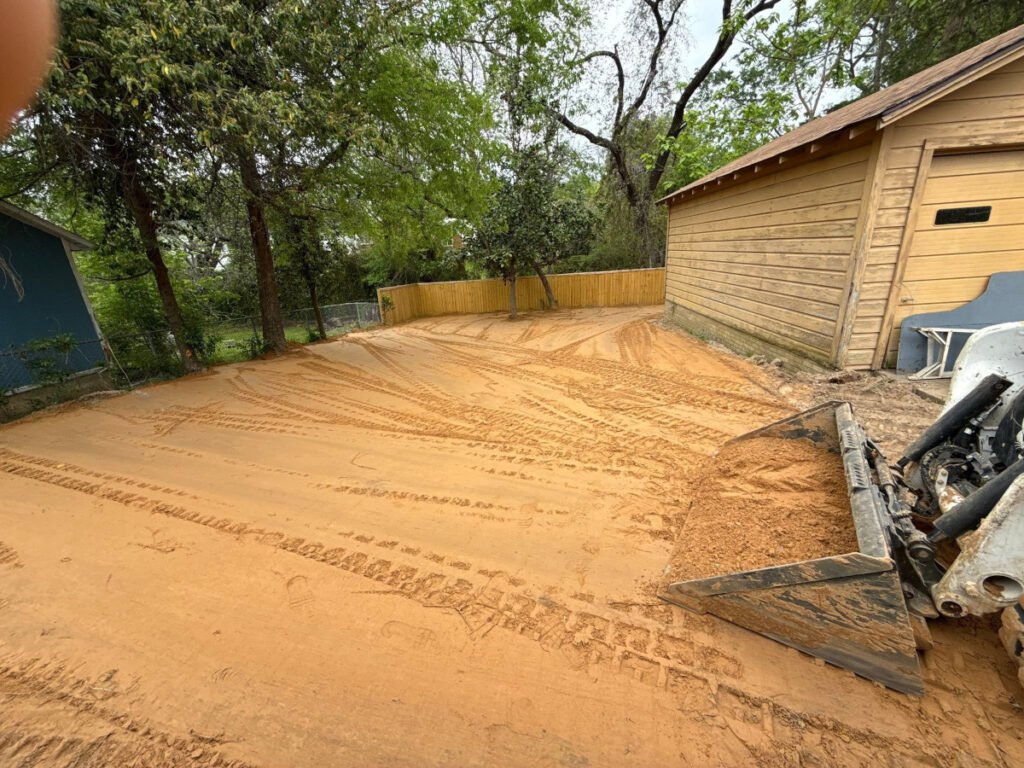

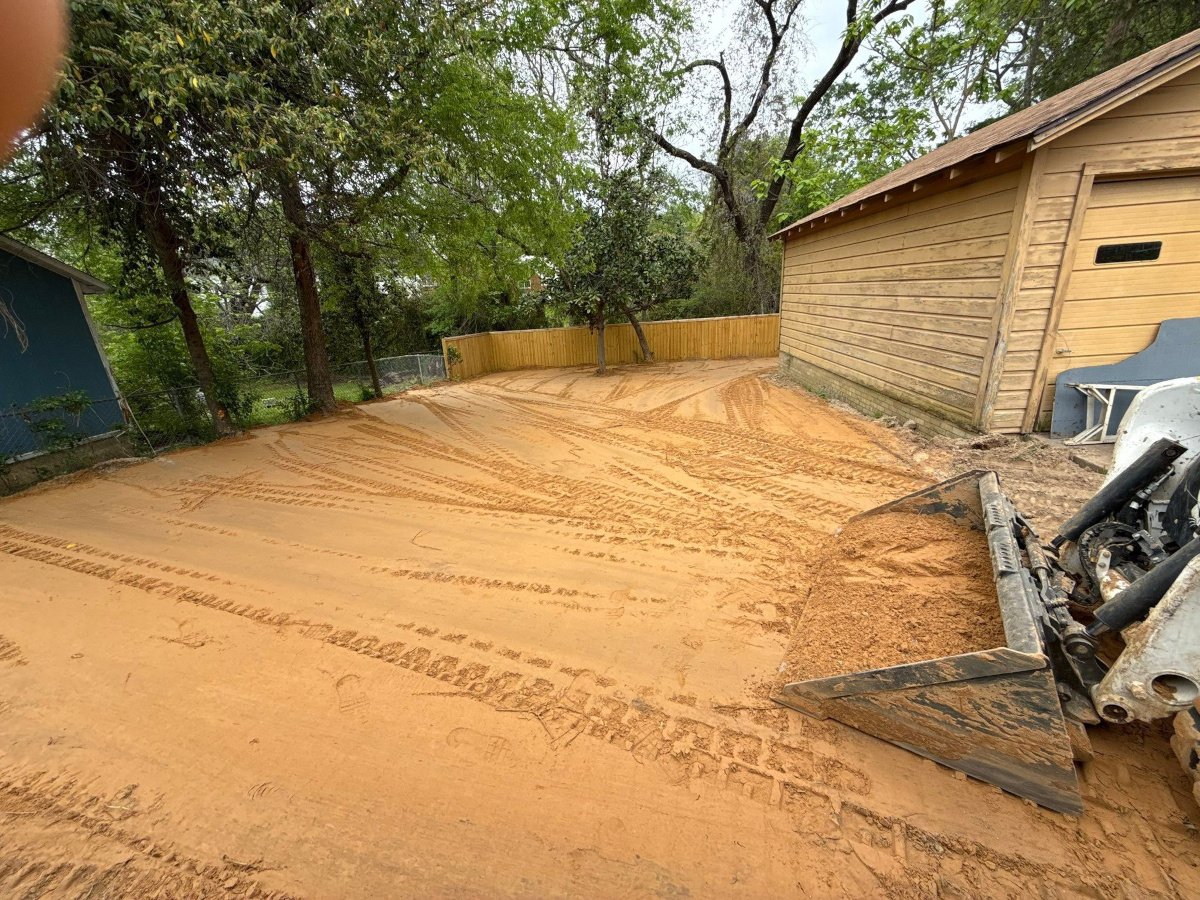
When people look at a new residential development or commercial building rising from the ground, they rarely stop to think about what’s beneath it all. Before a single brick is laid, before the first foundation is poured, there’s one crucial step that defines the success—or failure—of everything that comes next: construction site grading.
But what exactly is it? And why is it so vital?
Having been directly involved in major grading projects for large housing developments in Tyler, TX, we’ve seen firsthand how critical proper grading is—not just for aesthetics or regulatory compliance, but for the long-term stability, drainage, and performance of the entire project. Our experience and knowledge not only allow us to offer expert project consulting, but more importantly, we get the job done right.
Let’s dive deep into the fundamentals of construction site grading, the techniques, planning, types, benefits, and how to ensure your project doesn’t just meet expectations—but exceeds them.
What Is Construction Site Grading in Tyler TX?
Construction grading is the process of reshaping and preparing a piece of land for building. It involves adjusting the slopes and elevations of the soil to create a stable, level base while ensuring proper water drainage and compliance with architectural and engineering plans.
In simpler terms, grading is shaping the land to fit your project—whether it’s a residential subdivision, a commercial complex, or an industrial facility.
It’s much more than moving dirt. It’s a blend of engineering precision and practical expertise. We’ve worked with developers in Tyler, TX, who are building entire communities from scratch, and in every single case, grading was the first thing we tackled—and the last thing we took lightly.
Why Grading Matters: The Critical Role It Plays in Site Development
Grading isn’t optional. It’s a mandatory foundation for every construction site. Here’s why:
- Ensures Structural Stability: A building is only as strong as the ground beneath it. Poor grading can lead to uneven settling, cracks, or even foundation failure.
- Manages Drainage Effectively: Improper water runoff can cause flooding, erosion, and long-term property damage.
- Prevents Erosion: Grading helps control soil erosion, especially in areas with heavy rainfall or soft soil.
- Optimizes Usable Space: A properly graded lot makes better use of the land, allowing more buildable area.
- Meets Regulatory Standards: Local municipalities often require grading plans and permits before construction can begin.
Having completed extensive grading projects ourselves, we’ve often been called in to fix grading issues that were either rushed or overlooked by less experienced contractors. Believe us—cutting corners in grading is a mistake you only make once.
Key Components of a Grading Plan
A construction site grading plan is a detailed document created by civil engineers and surveyors. It outlines how the land will be modified, where the cuts and fills will occur, and how water will flow across the site.
A typical grading plan includes:
- Topographic Survey Data
- Elevation Points and Contours
- Proposed Drainage Paths and Inlets
- Cut and Fill Calculations
- Erosion Control Measures
- Stormwater Management Systems
When we begin a project, our first step is reviewing or developing the grading plan alongside engineers and site developers. Our team’s experience executing these plans ensures that what looks good on paper works flawlessly in the real world.
Types of Construction Grading
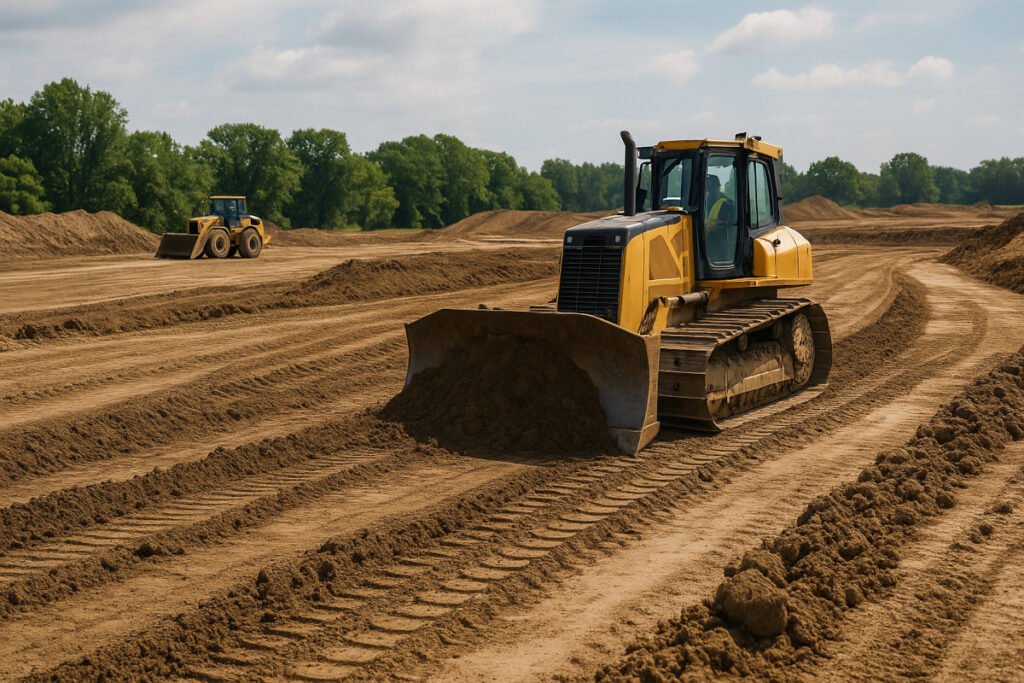
Construction Site Grading in Tyler Tx
There are several types of grading, each tailored to the specific needs of a project:
1. Rough Grading
This is the initial grading step where the land is reshaped according to the project’s blueprint. It involves large-scale excavation and fill to reach approximate elevations.
2. Fine Grading
Performed after rough grading, fine grading creates precise surfaces for paving, landscaping, or final construction. It’s all about precision—measuring in inches instead of feet.
3. Finished Grading
This stage includes final touches like grading for topsoil, sod, or landscaping. In residential projects, it ensures yards slope away from foundations for proper water runoff.
4. Slope Grading
Essential in hilly terrain, this method reshapes natural slopes to create safe and usable land.
5. Topsoil Grading
Involves distributing nutrient-rich topsoil evenly, mainly for landscaping or agricultural areas.
In our work on residential developments in East Texas, we often navigate multiple types of grading in a single project—from leveling lots for homes to shaping swales and berms for stormwater control.
Equipment and Techniques Used in Construction Site Grading
Successful grading relies on a mix of modern equipment and skilled operators. The core machinery includes:
- Bulldozers
- Graders
- Excavators
- Skid-steer Loaders
- Laser and GPS-guided Leveling Systems
We’ve found that GPS-controlled equipment has dramatically improved the precision and efficiency of our grading operations. In projects we’ve handled locally, this technology has allowed us to deliver grading within tolerances of just a few centimeters—critical for drainage and foundation stability.
Common Grading Challenges and How to Avoid Them
Even the best plans can hit snags. These are the top grading issues we’ve encountered—and solved:
- Unanticipated Soil Conditions: Poor soil compaction, excessive moisture, or clay content can undermine grading efforts.
- Drainage Miscalculations: Incorrect slopes lead to pooling water and erosion.
- Permit and Compliance Delays: Lack of a proper grading plan can stall entire projects.
- Over-Excavation or Under-Fill: Adds cost and time if not addressed early.
In our experience, avoiding these problems comes down to one thing: working with a contractor who understands both the engineering and the execution. We’ve been called in mid-project more than once to rework failed grading efforts—and that’s always more expensive than doing it right the first time.
Construction Site Grading in Residential Developments
In growing regions like Tyler, TX, residential grading is booming. Developers face pressure to build fast—but skipping proper site preparation is a recipe for disaster.
We’ve performed major site grading work for large housing projects in Tyler, helping developers shape entire neighborhoods from raw land. Our experience and knowledge have earned us trust not just for executing the work, but also for providing expert consultation at the planning stage.
When you prepare land for dozens or even hundreds of homes, precision, consistency, and drainage management are critical. Each lot must meet exact elevation standards while maintaining an integrated drainage plan for the entire subdivision.
How to Choose a Reliable Grading Contractor
Whether you’re a developer, builder, or property owner, selecting the right grading contractor is crucial. Look for:
- Proven track record with similar projects
- Experience with local regulations and soil types
- Access to modern equipment and technology
- Clear communication and documentation
- Willingness to collaborate with your engineers and surveyors
As a company with a strong local presence in Tyler and experience handling complex grading projects for large-scale housing developments, we’ve earned our reputation by delivering on every point above—and more.
Conclusion: Grading Is More Than Dirt—It’s the Blueprint for Long-Term Success
Grading isn’t just the first step of construction—it’s the most crucial one. Every inch of your project rests on its accuracy, planning, and execution.
Our hands-on experience with major grading operations in Tyler, TX, working with top housing developers, has shown us that the success of any structure begins beneath the surface. The land tells the story before the building ever rises.
So, whether you’re preparing a single lot or an entire subdivision, don’t treat grading as an afterthought. Trust experts who not only consult—but build. And remember: a well-graded site today saves you headaches, repairs, and costs for years to come.
Phone No
(903) 780-3125
Address
3766 William Spear Dr, Tyler, Tx