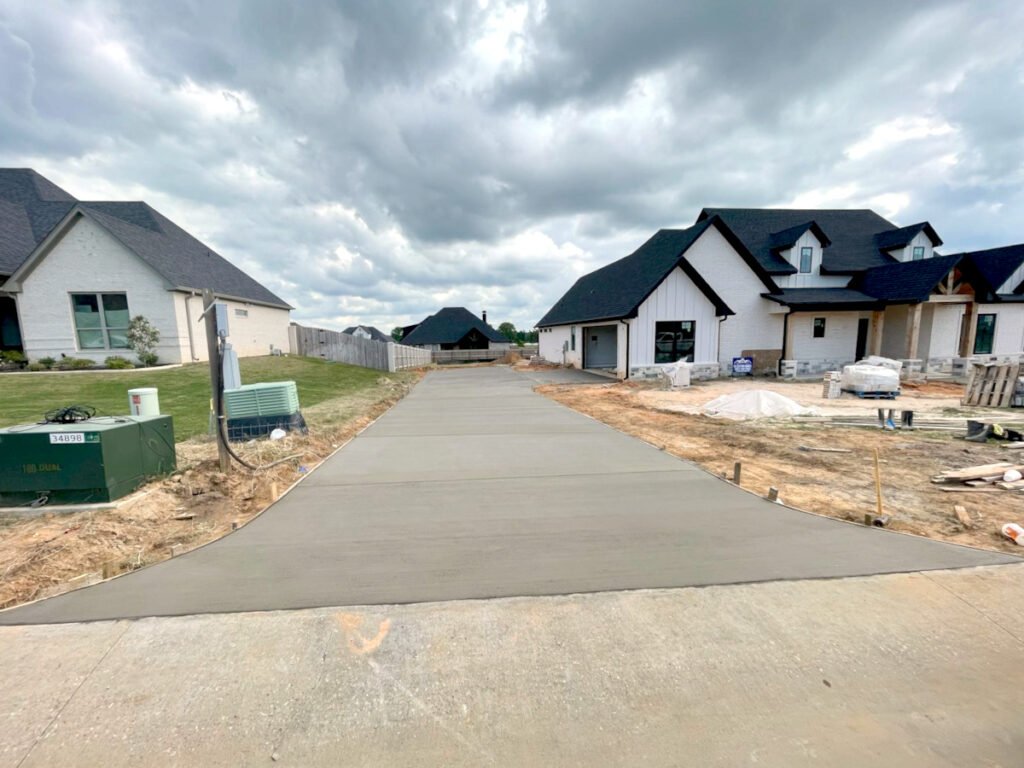

If you’re planning to build or upgrade a driveway, you’ve likely heard about crushed concrete as a reliable, cost-effective alternative to traditional gravel or asphalt. But not all crushed concrete is the same — and choosing the best crushed concrete for driveway can significantly impact performance, durability, and long-term satisfaction.
In this article, I’ll walk you through everything you need to know — including practical insights from hands-on experience working with different types of crushed concrete across a wide range of installations. Whether you’re a homeowner looking for a long-lasting surface or a contractor planning for heavy vehicle access, this guide will help you make the right call.
Why Choose Crushed Concrete for Driveways?
Crushed concrete, often referred to as recycled concrete aggregate (RCA), is created by crushing old concrete from demolished structures and reusing it as a base or surface material. Its growing popularity isn’t just about sustainability — it’s a smart economic and structural choice.
- ✅ Cost-effective: Typically cheaper than virgin gravel or asphalt.
- ✅ Eco-friendly: Reuses existing materials, reducing landfill waste.
- ✅ Highly durable: Especially when compacted correctly.
- ✅ Versatile: Can be used as a base, filler, or top layer depending on size.
Key Factors to Consider When Choosing Crushed Concrete
Before deciding on the type or size of crushed concrete for your driveway, consider the following:
- Traffic Type: Will it support light car use or heavy trucks?
- Load Capacity: Do you need structural strength or just surface coverage?
- Climate Conditions: Freeze-thaw cycles, rainfall, drainage.
- Aesthetics: Do you prefer a smooth finish or a rugged, rustic look?
- Budget: Material costs, installation, and long-term maintenance.
Understanding Crushed Concrete Types and Sizes
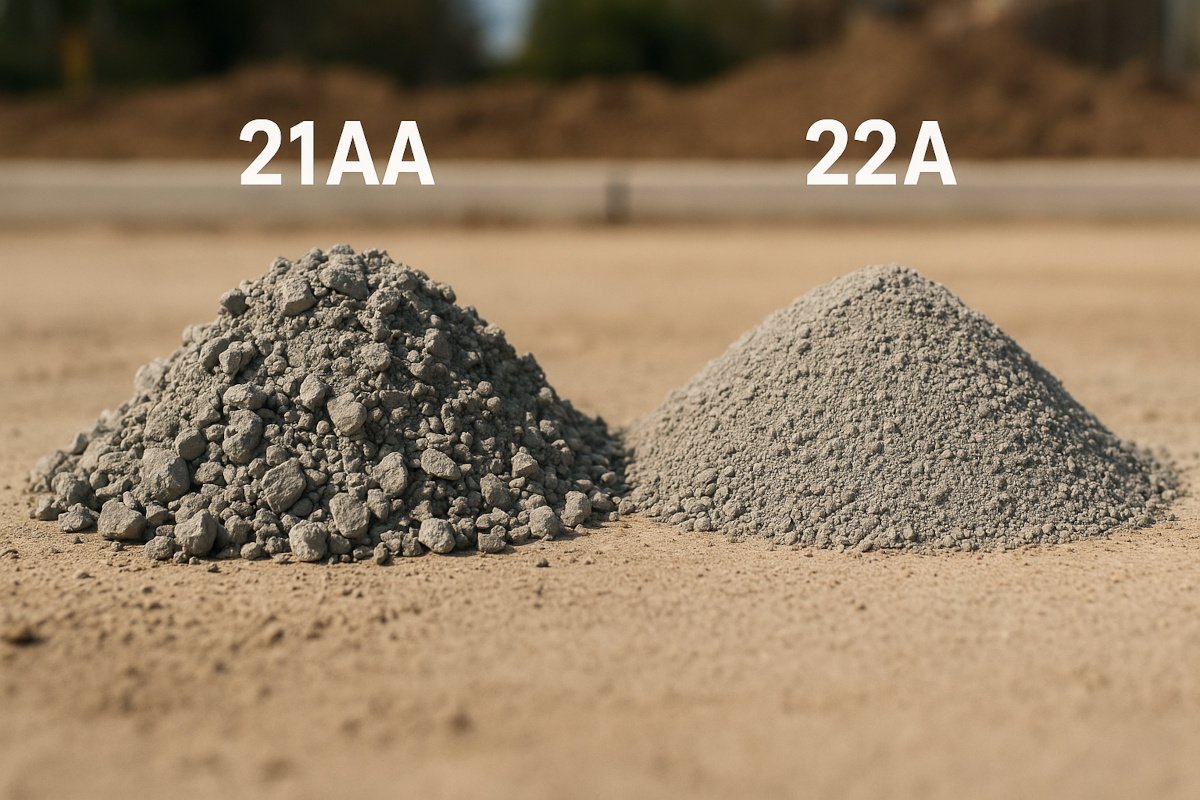
Crushed concrete comes in various sizes and compositions. The most common types used for driveways are 21AA and 22A, but size classification also plays a crucial role.
🔹 21AA Crushed Concrete
This is a dense-graded aggregate — a mix of crushed concrete with fine particles — ideal for base layers due to its excellent compaction properties. It’s also commonly used as a surface layer in high-load applications.
“For access roads or driveways, 21AA crushed concrete is excellent for durability and load resistance.”
21AA is a go-to option when you need a strong, stable surface that can handle heavy vehicles or long-term pressure.
🔹 22A Crushed Concrete
22A is very similar to 21AA but is processed to allow for a smoother surface, making it ideal for light-traffic residential driveways.
“22A provides a smoother riding surface for light to medium traffic.”
22A is a great choice when comfort and appearance are a priority, especially in suburban areas where you want a cleaner look with reliable drainage.
Other Sizes and Mixes
- ¾” Minus: Compactable and good for base layers.
- 1½” Clean: Used for drainage or decorative top layers.
- Fine Grade / Screenings: Not ideal as a top surface but useful in sub-bases.
Which Type is Best for Your Driveway?
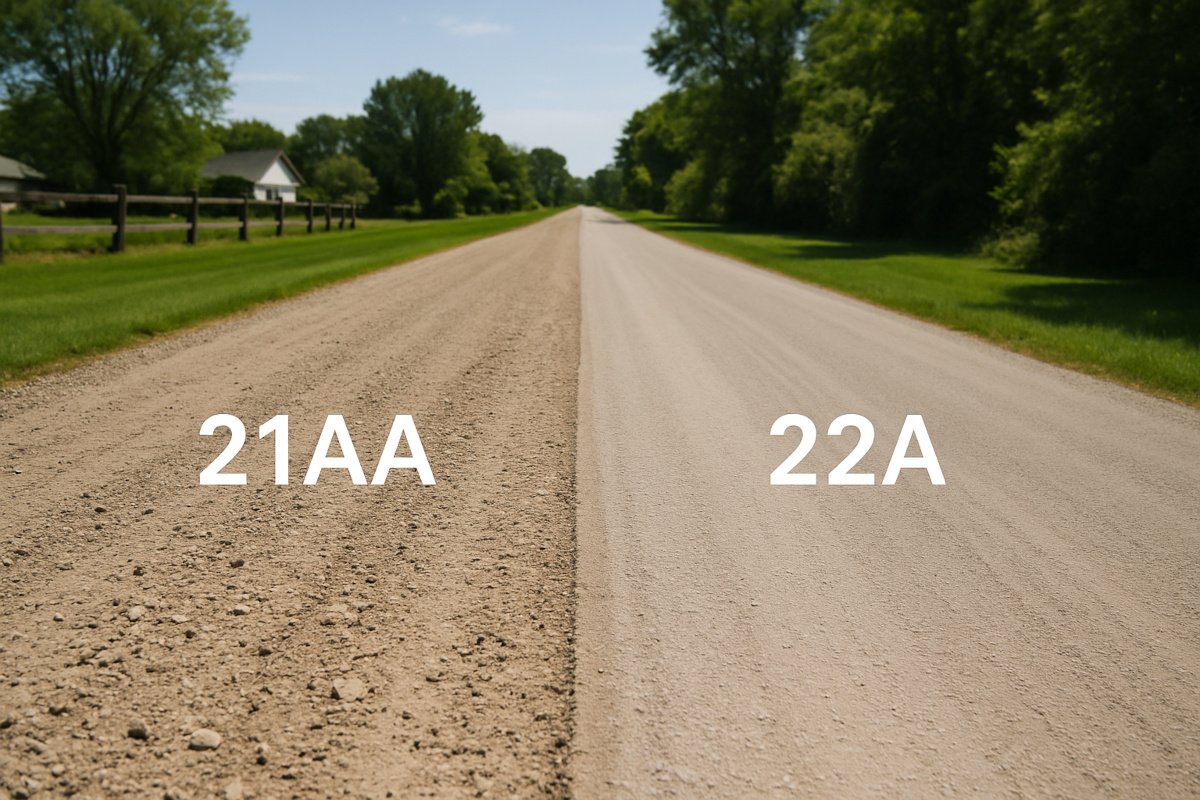
Let’s break down the best crushed concrete for driveway based on usage:
| Driveway Type | Recommended Material | Why |
|---|---|---|
| Heavy-duty (trucks, trailers) | 21AA | Excellent compaction, high strength |
| Residential / light traffic | 22A | Smoother finish, still solid |
| Farm roads / utility access | 1½” crushed | Great for drainage, handles mud |
| Sloped driveways | Combo of 22A base + clean stone top | Prevents washouts |
| Areas with freeze-thaw | Dense graded like 21AA | Resists heaving, settles evenly |
Best Practices for Installation
Getting the right crushed concrete is only half the job — installation determines longevity.
1. Prepare the Base
- Clear vegetation and topsoil.
- Create a compacted sub-base using sand or fine gravel.
2. Layering
- Lay down 3–4 inches of compacted 21AA or 22A.
- Use a plate compactor to achieve density.
3. Top Layer (Optional)
- Add a decorative layer of clean crushed stone for aesthetics and improved drainage.
4. Proper Slope
- Grade the surface to allow for water runoff (minimum 2%).
Maintenance Tips for Crushed Concrete Driveways
Even the best material requires basic care. Here’s how to keep your driveway in top shape:
- Re-compact annually, especially after harsh winters
- Fill potholes with fresh crushed concrete and compact immediately
- Keep drainage clear to avoid washouts
- Seal edges if needed, especially in sloped or flood-prone areas
Cost Breakdown: What to Expect
Crushed concrete is cost-effective, but prices vary by location, type, and project size.
| Material | Price per Ton (avg) | Best Use |
|---|---|---|
| 21AA | $18–$26 | High-load areas, base layer |
| 22A | $20–$28 | Surface layer for smooth finish |
| Clean 1½” | $22–$30 | Drainage, rural driveways |
💡 Pro Tip: Always factor in delivery, grading, and compacting costs in your total budget.
Common Questions (FAQs)
❓ Can I mix different crushed concrete types?
Yes — some installations use 21AA as a base and finish with a thinner layer of 22A or decorative clean stone.
❓ Will crushed concrete wash away in rain?
If installed and compacted properly, no. But always grade for drainage.
❓ Is crushed concrete better than gravel?
For strength and compaction, yes. Crushed concrete creates a more stable surface and binds together better over time.
❓ What’s the minimum depth I should use?
Typically, 4–6 inches for light traffic, and up to 8–12 inches for heavier loads.
Final Thoughts: Choosing the Best Crushed Concrete for Your Driveway
Crushed concrete offers a durable, eco-friendly, and cost-effective solution for any driveway — but selecting the right type makes all the difference.
“For access roads or driveways, 21AA crushed concrete is excellent for durability and load resistance, while 22A provides a smoother riding surface for light to medium traffic.”
That insight comes from direct experience, and after many installations, I can confidently say: 21AA is king when strength matters, while 22A wins for residential comfort and finish.
Take time to assess your project, traffic, terrain, and budget — and you’ll end up with a driveway that performs and lasts for years to come.