
Why Concrete Curing & Protection
Isn’t Optional
You can see it. You can walk on it. It’s hard. So why can’t you drive on it? The answer is the difference between a 30-year driveway and a 3-year problem — and it starts the moment the last truck leaves.
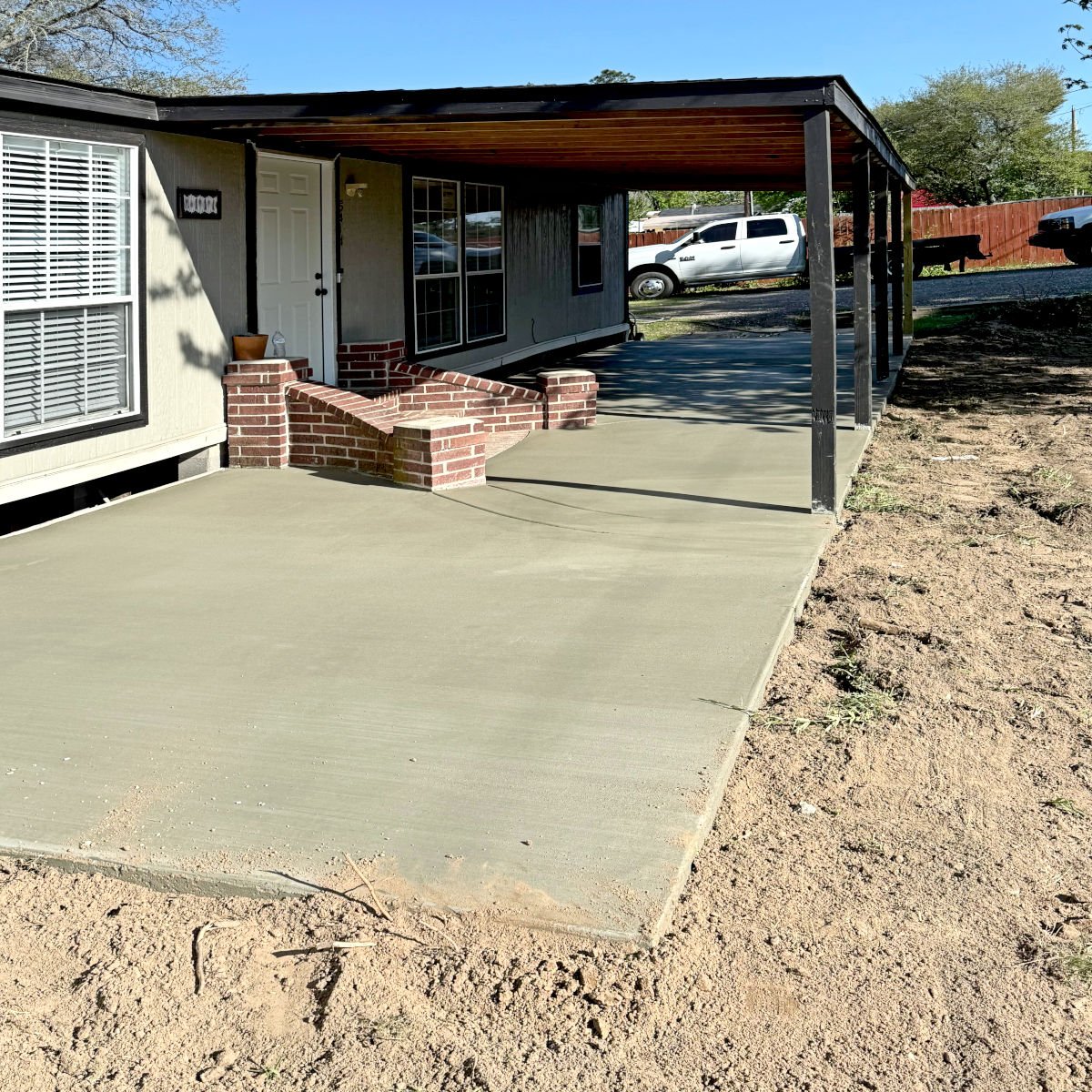
Concrete doesn’t gain its strength by drying. It gains strength through a chemical reaction called hydration, and that reaction requires three things: cement, water, and time. The surface may feel hard, but the internal structure is still bonding. Load it too early, and you create invisible damage that becomes very visible cracks six months later. This is why curing and protection aren’t optional steps — they’re the foundation of durability, and they separate contractors who think about your project next month from contractors who think about it ten years from now.
The Science That Justifies the Wait
Most people — and unfortunately, some contractors — confuse two things: the surface getting hard and the concrete getting strong. They are not the same thing.
Surface hardening happens fast. Within 24–48 hours, the exposed face has dried enough that you can walk on it without leaving footprints. This is why people assume it’s ready. Visually, it makes sense.
Hydration is the real process. It’s a chemical reaction between cement and water that builds structural strength by creating interlocking crystalline structures — hydration products that bond and strengthen over weeks and months.
- Cement particles react with water molecules, forming new crystals
- Those crystals interlock and grow stronger over time
- The reaction continues for weeks, even at depth
- Loading concrete before this process completes causes internal fractures you cannot see
HRS
DAYS
DAYS
DAYS
When a vehicle sits on concrete that hasn’t finished hydrating, the weight exerts force on a structure that isn’t yet fully bonded. That force causes micro-fractures — tiny breaks you can’t see. These don’t disappear. They propagate. Over the next weeks and months, temperature changes and normal expansion/contraction stress the micro-fractured zones. Within 3–6 months, hairline cracks appear. Within a year, spalling. Within two years, you have a problem that requires expensive repair or complete removal. This is the #1 callback issue in concrete work.
Concrete Curing Timeline in East Texas
Standard curing guidance assumes temperatures between 60–75°F. East Texas doesn’t fit that profile. Here’s how our climate changes the math — season by season.
| Category | 🌸 Spring (Mar–Apr) | ☀️ Summer (May–Sep) | 🍂 Fall (Oct–Nov) | ❄️ Winter (Dec–Feb) |
|---|---|---|---|---|
| Avg. Temps | 70–80°F days 45–55°F nights |
90–100°F days 70–75°F nights |
65–80°F days 45–55°F nights |
35–60°F days 25–40°F nights |
| Surface Temp Risk | Low | High — up to 150°F surface | Low | Frost Risk |
| Light Foot Traffic | 24–48 hrs | 24–48 hrs | 24–48 hrs | 48–72 hrs |
| Vehicle Traffic | 7 days | 10–14 days | 7 days | 10–14 days |
| Heavy Loads / RVs | 21–28 days | 28+ days | 21–28 days | 28+ days |
| Recommended Curing Method | Curing compound + light shade cloth if variable | Compound + shade cloth + misting at 95°F+ | Curing compound standard | Compound + plastic sheeting (frost protection) |
| Sealing Window | 30–45 days | 30–45 days | 30–45 days | 45–60 days |
| Best Pour Window? | Best | Challenging | Best | Acceptable |
| * Summer surface temps measured on light-colored concrete under direct East Texas sun. Shade cloth is not optional in May–September — it is standard practice for any contractor protecting your investment. | ||||
Concrete hydration roughly doubles in speed for every 20°F increase in temperature — but surface drying also accelerates. This creates an unbalanced cure: the surface sets fast while internal bonding lags. Load a 5-day-old summer slab because it “looks done,” and you’re still inside the micro-fracture window. A good contractor adds 3–7 days to every summer timeline. East Texas summers require it.
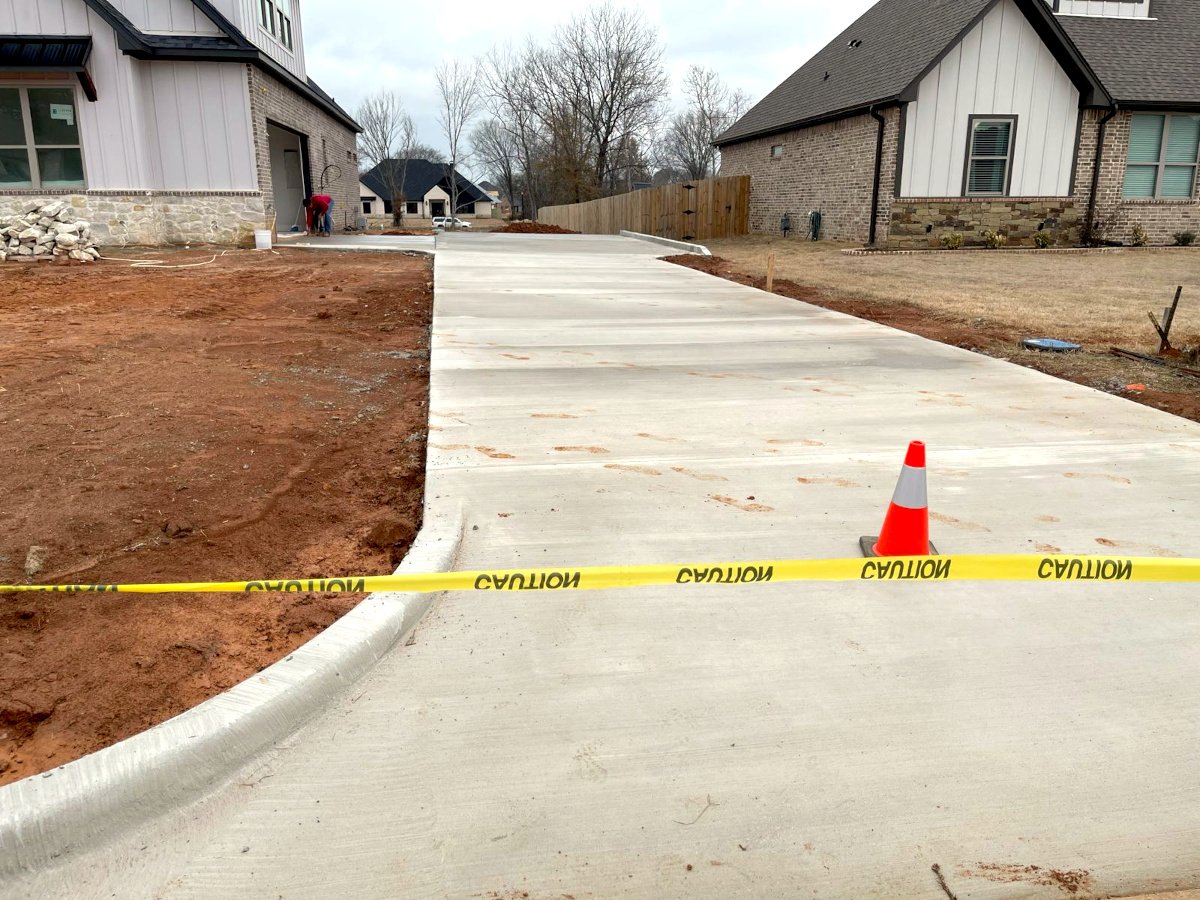
What Happens When Curing Goes Wrong: Real Scenarios
Week 1–2: Nothing visible. The concrete looks fine.
Week 3–4: Hairline cracks appear at 45-degree angles — shear failure patterns, the signature of loading before hydration completed.
Month 2–3: Cracks widen. Small sections begin to flake. The contractor either doesn’t answer or says “that’s normal wear.”
Month 6: Spalling accelerates. Potholes form where wheels sit.
Year 2: The driveway is functionally compromised. Repair estimates: $4,000–$8,000. The contractor is gone.
| Scenario | Action Required | Cost |
|---|---|---|
| Proper curing — wait the full timeline | Patience + curing compound | $150–$350 |
| Patch repair (cracks + surface sealing) | Partial fix, often fails again | $800–$1,500 |
| Partial replacement | Remove damaged section, re-pour | $2,000–$4,000 |
| Full replacement | Demolish and re-pour entire slab | $4,000–$8,000 |
Understanding all phases of a concrete project ensures your entire installation is durable, not just parts of it. Curing is Phase Six — but every phase before it sets the stage.
Read the Full GuideCuring Methods: Choosing What Works for Your Project
Curing sounds simple — you just wait, right? Not quite. How you cure matters as much as the timeline. Here are the four primary methods and when each applies in East Texas.
Spring/Fall: Curing compound + light shade cloth if temperatures vary significantly day-to-night.
Summer (May–Sep): Curing compound + shade cloth mandatory. Hand-misting in extreme heat (95°F+). Some contractors water the first 48 hours to keep surface temp down.
Winter (Dec–Feb): Curing compound + plastic sheeting to retain moisture and protect from frost. Plan for slower hydration and extended timelines.
The Contractor Red Flags to Avoid
This is either ignorance or indifference, and both end the same way — with you calling about cracks eight months later. Concrete science doesn’t change based on how much you want to use your driveway. If someone is promising an accelerated timeline without explaining how (accelerated compounds, additives, temperature control), they’re not doing science. They’re doing wishful thinking.
Listen for instead: “Standard timeline is 7–14 days depending on the season. Here’s why. Here’s what we’ll do to protect it.”
If your quote for a May–September pour says nothing about curing compound, shade cloth, or any protective strategy, that’s a signal. East Texas summer requires active curing management. A contractor who pretends it doesn’t is setting up the exact scenario described above.
Listen for instead: “For summer pours, we apply curing compound immediately after finishing and typically add shade cloth in the first week. This is standard practice in our climate.”
Appearance is not a curing indicator. A driveway can look perfect at seven days and fail at six months if curing was inadequate. Visible cracks appearing weeks after the pour are a reflection on the curing process — not the concrete quality. A contractor who says “hairline cracks are normal” is halfway admitting they didn’t manage the timeline properly.
The best contractors give you a curing care sheet or walk you through what not to do: no vehicles before the timeline, no power washing for 30 days, no sealer for 28+ days, watch for standing water. No guidance at all means the contractor isn’t thinking about what comes next.
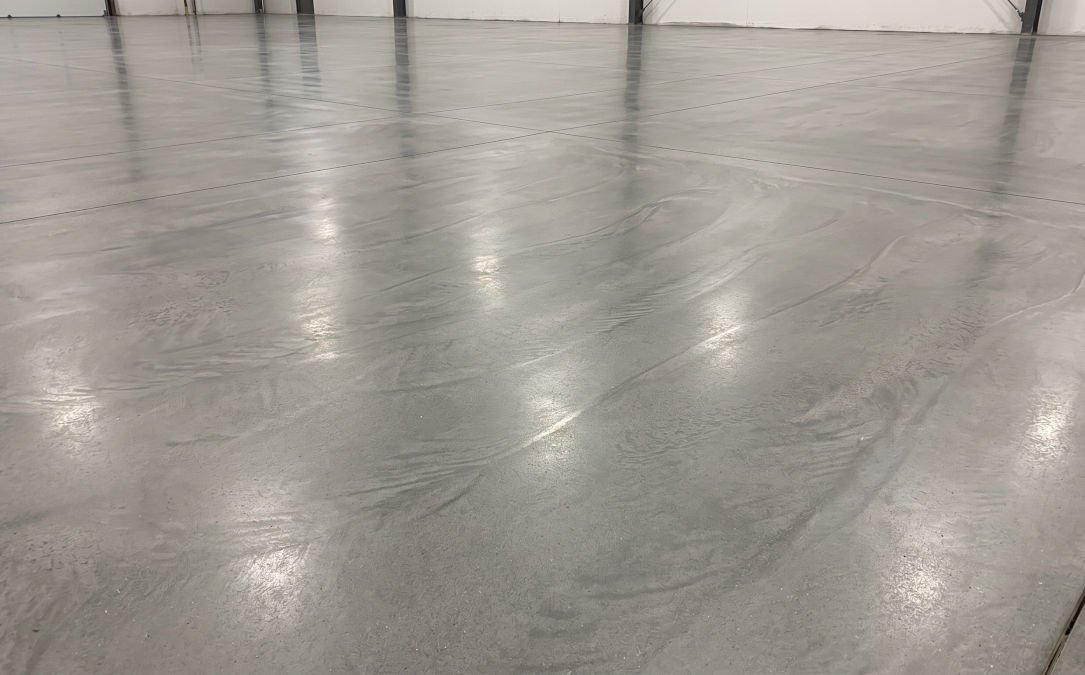
Explore how finish choice impacts your curing timeline and maintenance needs. Stamped concrete, broom, exposed aggregate — each finish behaves differently in the critical curing window.
Explore Finish OptionsCuring & Long-Term Durability: The ROI Argument
What We Do: The SMG Approach to Curing
We don’t rush curing timelines. We don’t tell you “it’s fine to use tomorrow.” We don’t skip protective measures because it saves a few dollars or hours. Here’s what your curing process looks like with us.
- Proper finishing and surface preparation
- Immediate curing compound application (or water curing setup if chosen)
- Shade cloth installation if it’s warm or sunny
- Initial watering schedule established and communicated to you
- Regular monitoring of concrete condition and weather forecast
- Adjustment of curing method if temperature or conditions change
- No foot traffic except crew for inspection
- Customer communication about timeline and restrictions — no guessing
- Controlled use timeline based on season and mix design
- Continued protection from extreme temperature events
- Clear guidance on what’s safe: foot traffic vs. vehicle traffic vs. heavy loads
Full design strength reached. Unrestricted use. Sealing recommendations and schedule provided. You get durability because we respect the science — and you get confidence because we explain it.
“Had a 20×30 shop and a 55×40 house slab poured… absolutely did an amazing job. I had a custom shower base that needed to be framed out before the concrete hit the ground and the owner made sure everything was perfect before, during, and after. They were there when they said they would be and answered the phone every time I called. You can’t ask for much more.”
“SMG Concrete & Dirt Work LLC did an outstanding job on my project. From start to finish, their team was professional, efficient, and extremely skilled. The driveway they poured looks perfect — smooth finish, clean edges, and solid workmanship all around. They also kept the work area neat and made sure everything was cleaned up before leaving. You can tell they take pride in what they do.”
No filler. No sales pitch. Just the answers.
Not without compromising quality. You can slightly accelerate hydration with chemical accelerators or by maintaining optimal temperature and moisture, but there is no shortcut to time. “Fast-cured” concrete from contractors who rush timelines often becomes “failed concrete” two to three years later.
Light rain is actually beneficial — it provides moisture for hydration. Heavy rain that creates standing water is a problem. We monitor forecasts and adjust protection if heavy rain is expected in the first 24–48 hours.
At least 28 days, ideally 30–45 days. Sealing too early traps moisture inside the slab and can cause delamination, discoloration, or bonding failure. In winter, wait closer to 60 days. Your contractor should confirm based on your specific climate conditions and finish type.
Hydration speeds up in heat, but surface drying also accelerates — creating an imbalance. This is actually worse for curing than moderate temperatures. The surface locks hard while internal bonding lags. Always plan for extra protective measures in summer, not fewer.
Check the cause and the timing. Hairline shrinkage cracks that appeared during the curing period itself may not be structural problems. Cracking patterns appearing weeks after vehicle use began strongly suggest the concrete was loaded before hydration completed. Contact your contractor immediately — documentation matters at that stage.
Light foot traffic after 24–48 hours is generally fine. Running, concentrated loads, or sustained foot traffic should wait until 7+ days, depending on season and mix design.
Usually not. Curing compound is designed to retain moisture without additional watering. The exception is extreme heat (95°F+ surface temperatures) where we sometimes recommend light misting in the first 48 hours. We’ll give you specific instructions for your project conditions.
Concrete curing isn’t a step the contractor does to keep you happy. It’s the process that turns fresh concrete into durable concrete. It’s the difference between a 30-year driveway and a 3-year problem. When a contractor respects the curing timeline, it’s not caution — it’s competence. It’s them saying: your investment matters, your long-term result matters, and we’re not going anywhere when you need us. The wait is worth it. Always.
Your Concrete Project?
We’ll walk you through the entire timeline — including realistic curing expectations for your specific project and the season you’re pouring in. No surprises. No promises we won’t keep.
Or call us directly: (903) 780-3125 · Mon–Fri 8AM–20PM · Sat 8AM–14PM